Sahara EMS College is the trade name of Sahara Emergency Medical Services Trainers — a registered pre-hospital emergency medicine training institution with campuses in Nakuru and Kisumu, incorporated in 2020.
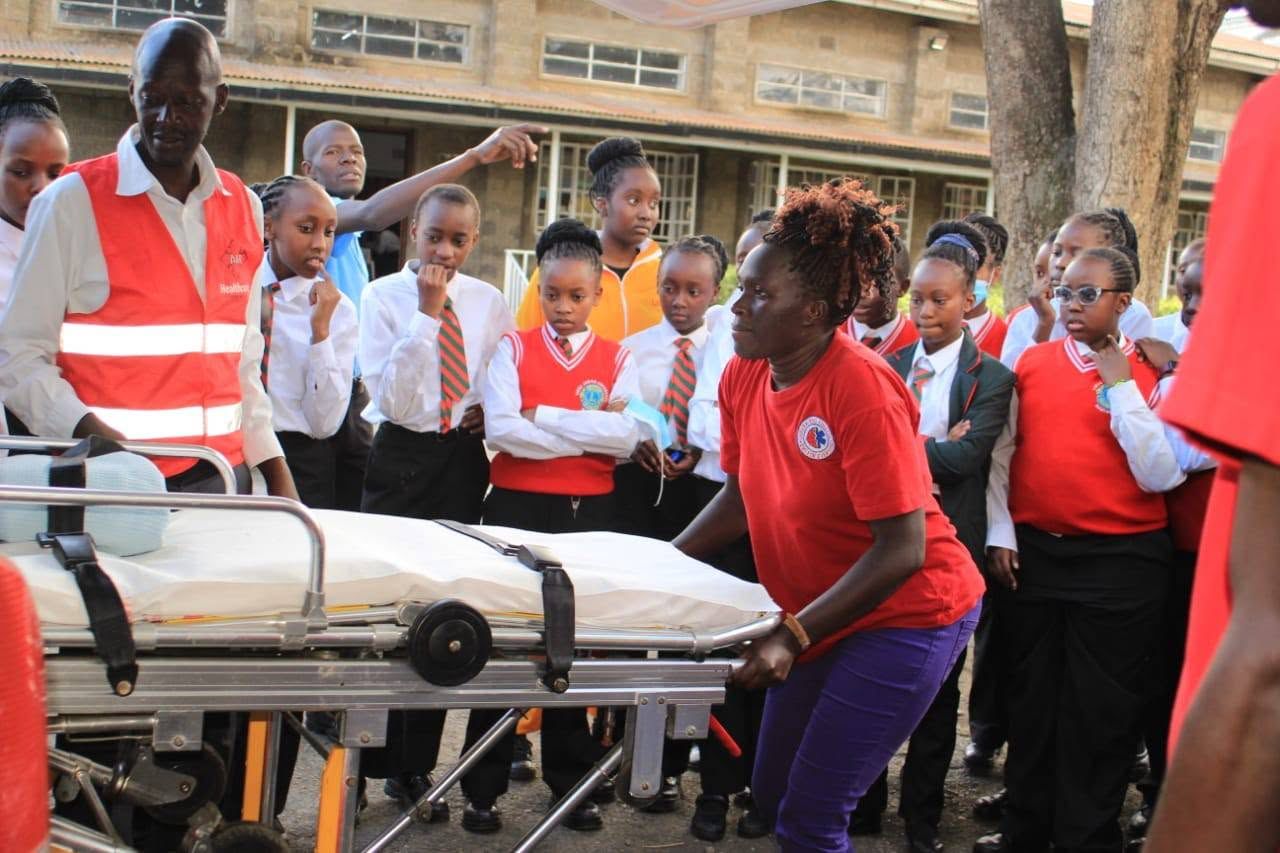
Sahara Emergency Medical Services Trainers — trading as Sahara EMS College — is a formally registered pre-hospital emergency medicine training institution in Kenya, incorporated in 2020, with campuses at Pioneer Plaza in Nakuru and SIFA House in Kisumu.
Our core mandate is affordable, quality, evidence-based EMS training: for pre-hospital providers — emergency medical technicians and paramedics — and for in-hospital teams such as nurses, doctors and other health workers. Alongside EMT and EMR we run first aid, AHA BLS, AHA ACLS, AHA PALS, ECG Basic, the Airway + Breathing Masterclass and fire-safety courses, sponsor bright students who could not otherwise afford training, and take EMS awareness into Kenya’s schools and colleges.
See our courses →Meet the team →To be the preferred destination for Emergency Medical Services education in Kenya and Africa.
To offer affordable and universally accepted pre-hospital emergency medicine training to all citizens and visitors of Kenya and Africa.
Our EMS and emergency-care faculty bring more than twenty years of active classroom and patient-care experience into every session.
Every instructor is trained and certified in line with international EMS education standards.
A maximum of 25 EMT students per intake, so you get personal attention from day one through your 500-hour internship.
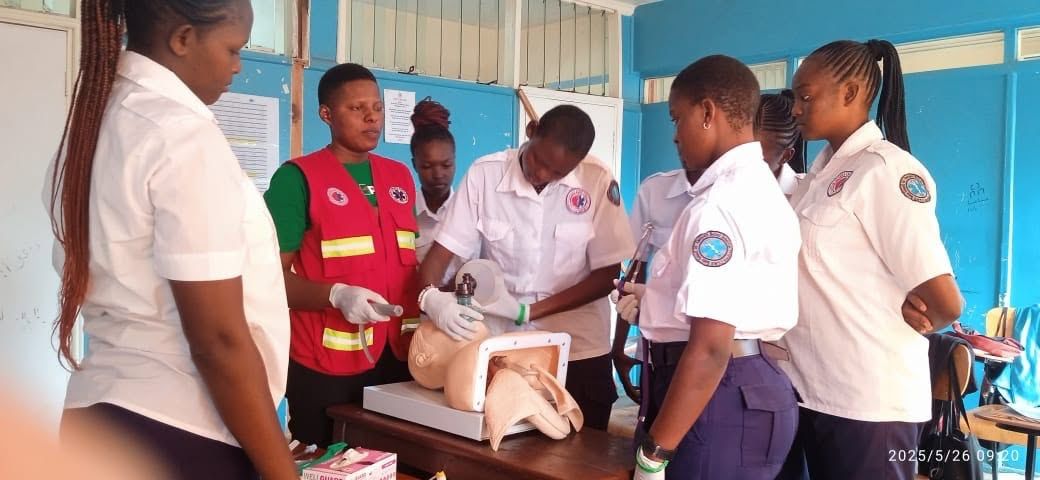
Airway, CPR, IV access and trauma skills are practised every week in our scenario lab — not saved for the last module.
Every instructor still works, or has worked for decades, in pre-hospital care. What we teach is what works on a Kenyan roadside.
Talent should not depend on fees. Partners and donors fund sponsored places every intake for students who need them.
Anatomy, patient assessment, airway and basic life support — every morning in class, every afternoon on the manikins.
Cardiac, respiratory, obstetric and paediatric emergencies; bleeding, shock, spinal care. IV access and pharmacology.
Ambulance operations, extrication, incident command, dispatch and the final written and practical exams.
Shifts on partner ambulances under a field preceptor and rotations in hospital emergency departments.
Portfolio sign-off, EMT diploma and the first shift as the person who knows what to do.
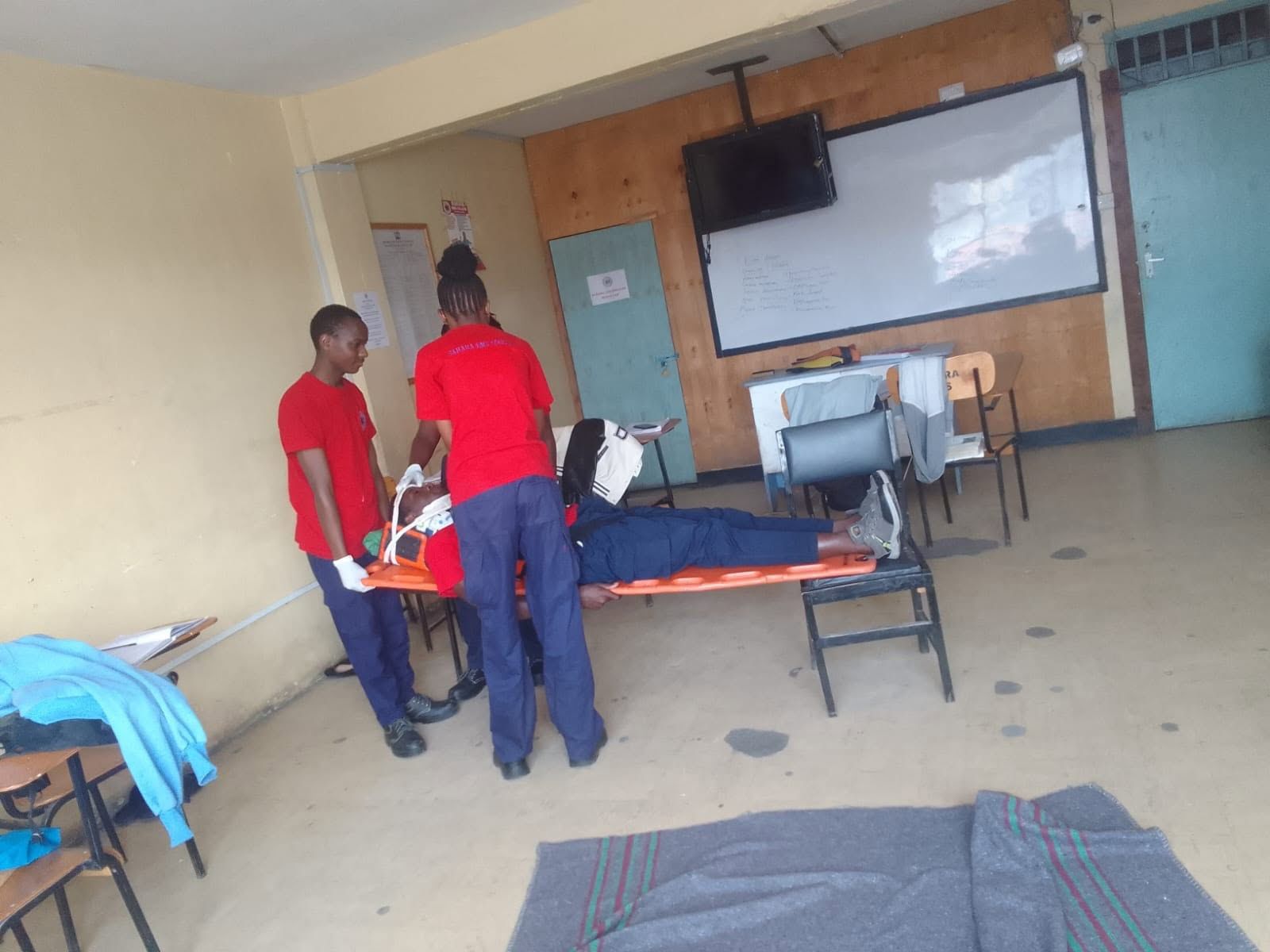
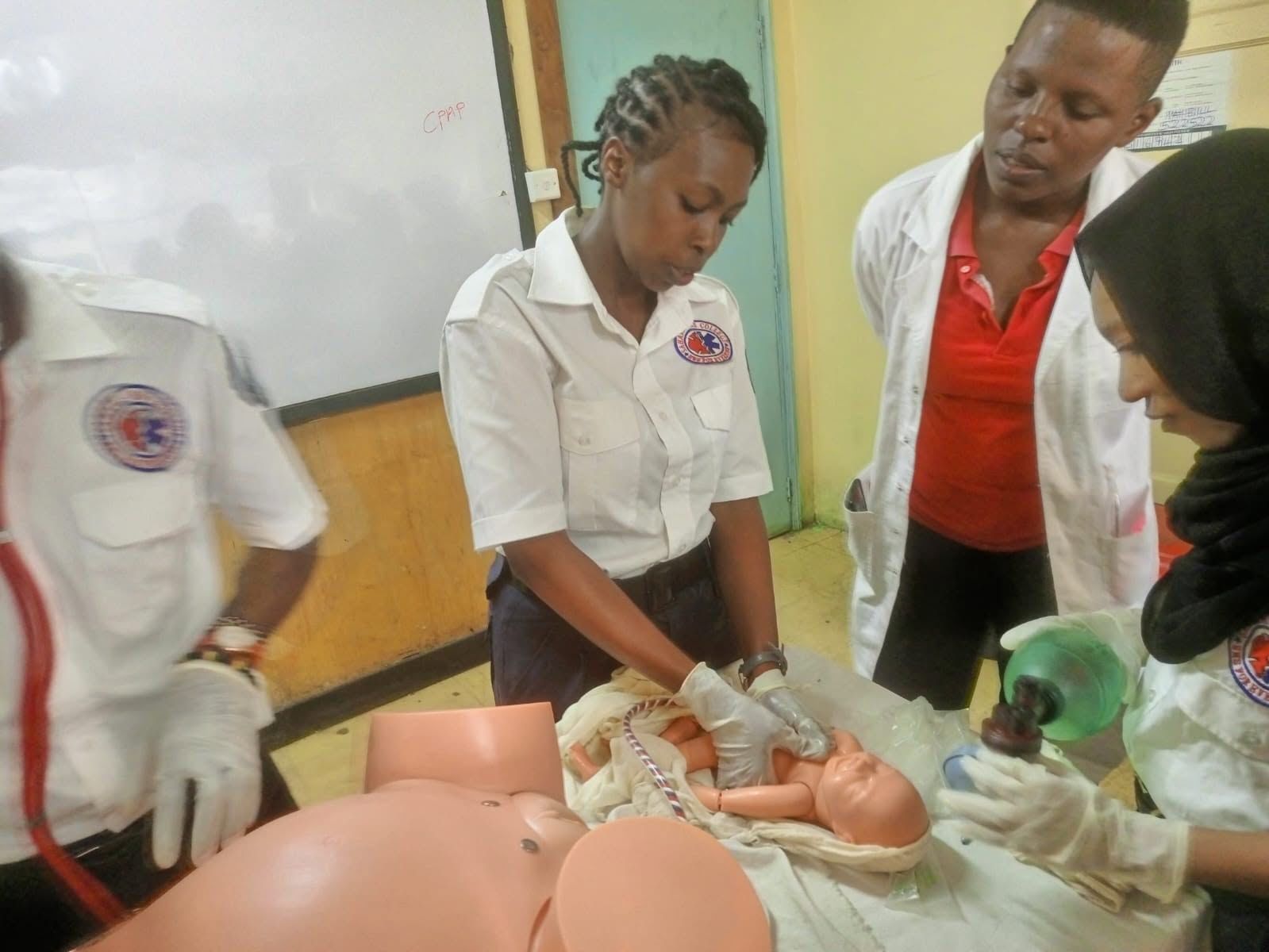
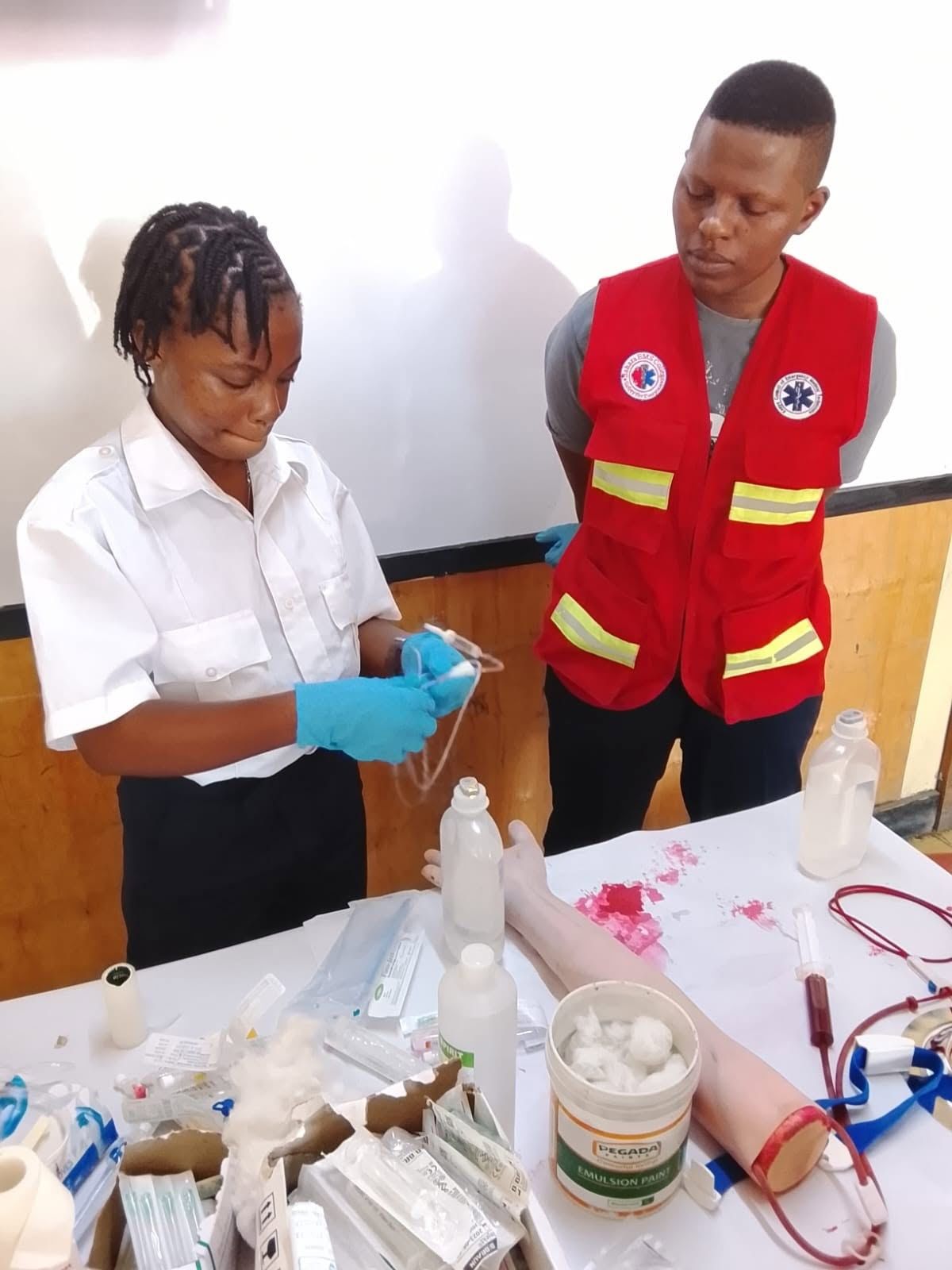
Incorporated as Sahara Emergency Medical Services Trainers and registered as a pre-hospital emergency medicine training institution.
Field and hospital internship in every EMT diploma, supervised by a preceptor.
Nakuru: Pioneer Plaza, 2nd floor, Mburu Gichua Road. Kisumu: SIFA House, 2nd floor, Mission Road, opposite Kibuye Market. Every course runs at both.
Visit us at our Nakuru or Kisumu campus, or talk to admissions about the next intake.