Intake dates, community training days and what our cohorts are up to.
Scene, xABCDE, decision: how to assess an injured patient so that you find and fix the fastest killer first — and what that means on a Kenyan highway at night, not just in the textbook.
Shocked children, bleeding patients, long transfers: when no vein can be found, a needle in the bone delivers every drug and fluid. Our new whitepaper sets out the evidence, the guidelines, the devices and what Kenya needs. Free to download.
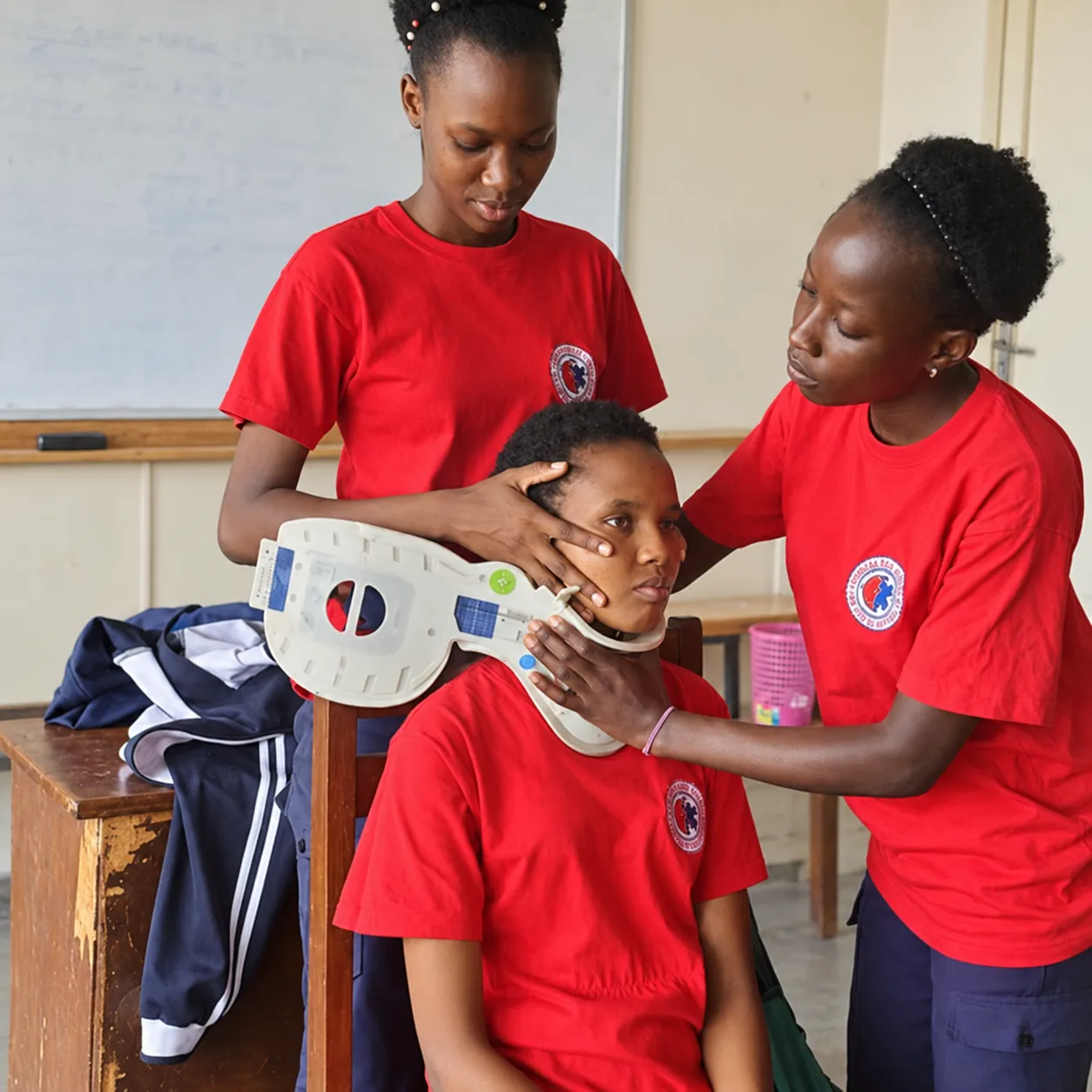
Spinal shock and neurogenic shock sound alike but describe two different problems — one of reflexes, one of circulation. What EMTs need to know, and why low blood pressure after trauma means bleeding until proven otherwise.
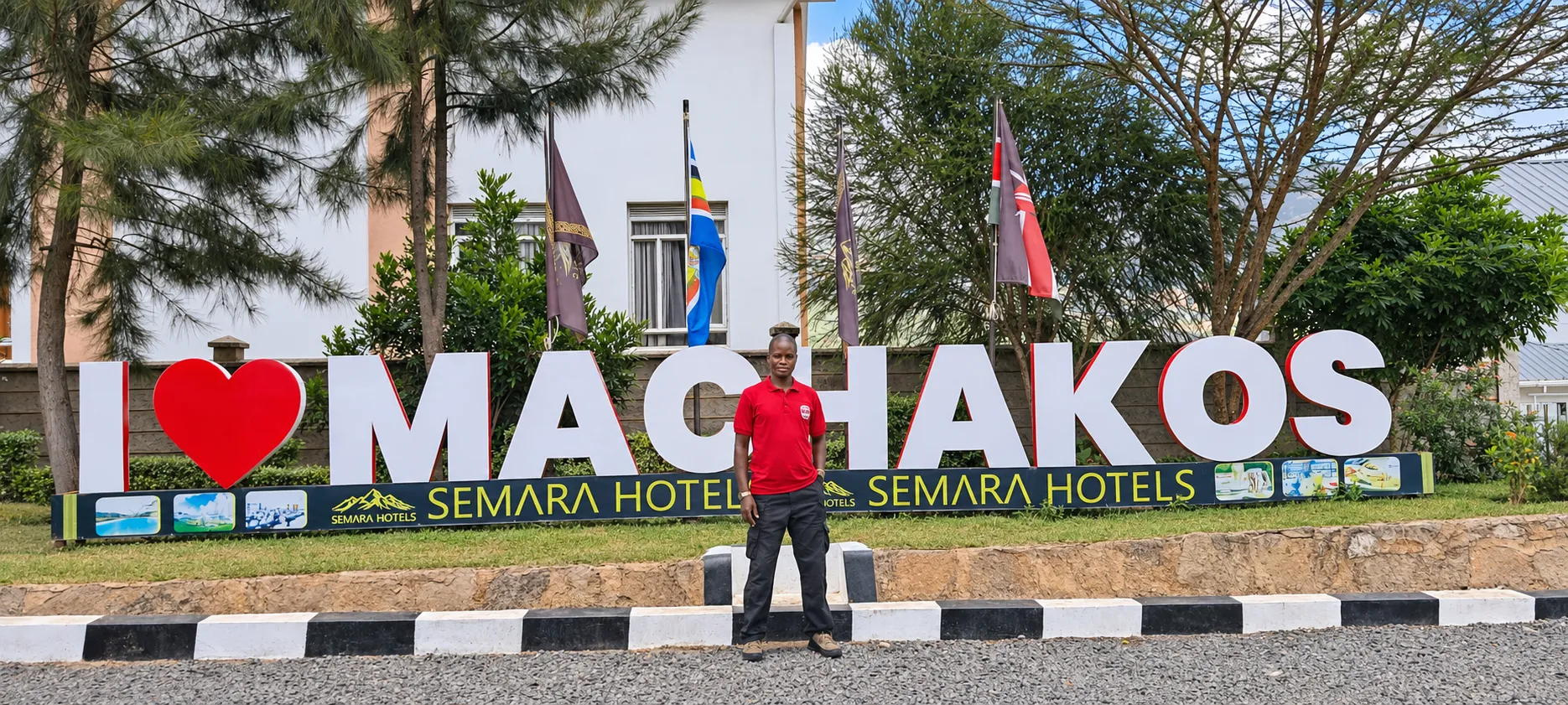
This week Kenya's EMS stakeholders meet in Machakos to shape a national curriculum for EMTs and ambulance operators. Sahara EMS College takes part and shares its free background brief.
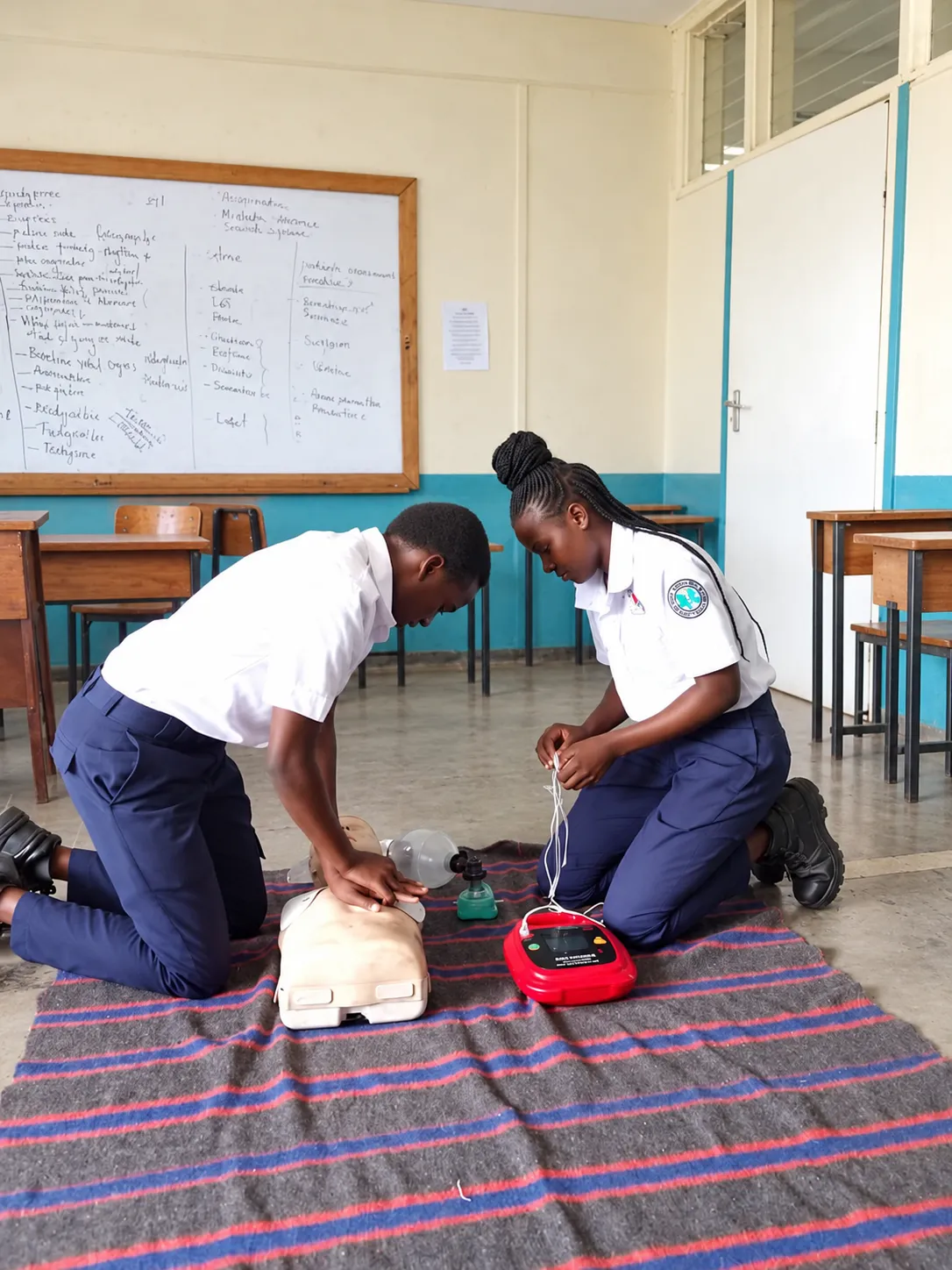
More than 200 bystanders learnt hands-only CPR and AED use in one day.
AHA BLS (27 Nov) and AHA ACLS (28–29 Nov 2026) in Nakuru: high-quality CPR and resuscitation leadership. Both for KES 25,000. Book by 27 October.
PHTLS provider course in Nakuru, 20–22 November 2026: trauma care that saves lives before hospital. NAEMT card, KES 37,500. Book by 30 October.
Shift vlogs and “storytime” clips are everywhere. What the Health Act, the Data Protection Act and professional registration mean for EMS staff who post — and where the line is.
Errors rarely come from missing knowledge. Why structured supervision — not inspection — could help Kenya’s young EMS profession learn from every call.
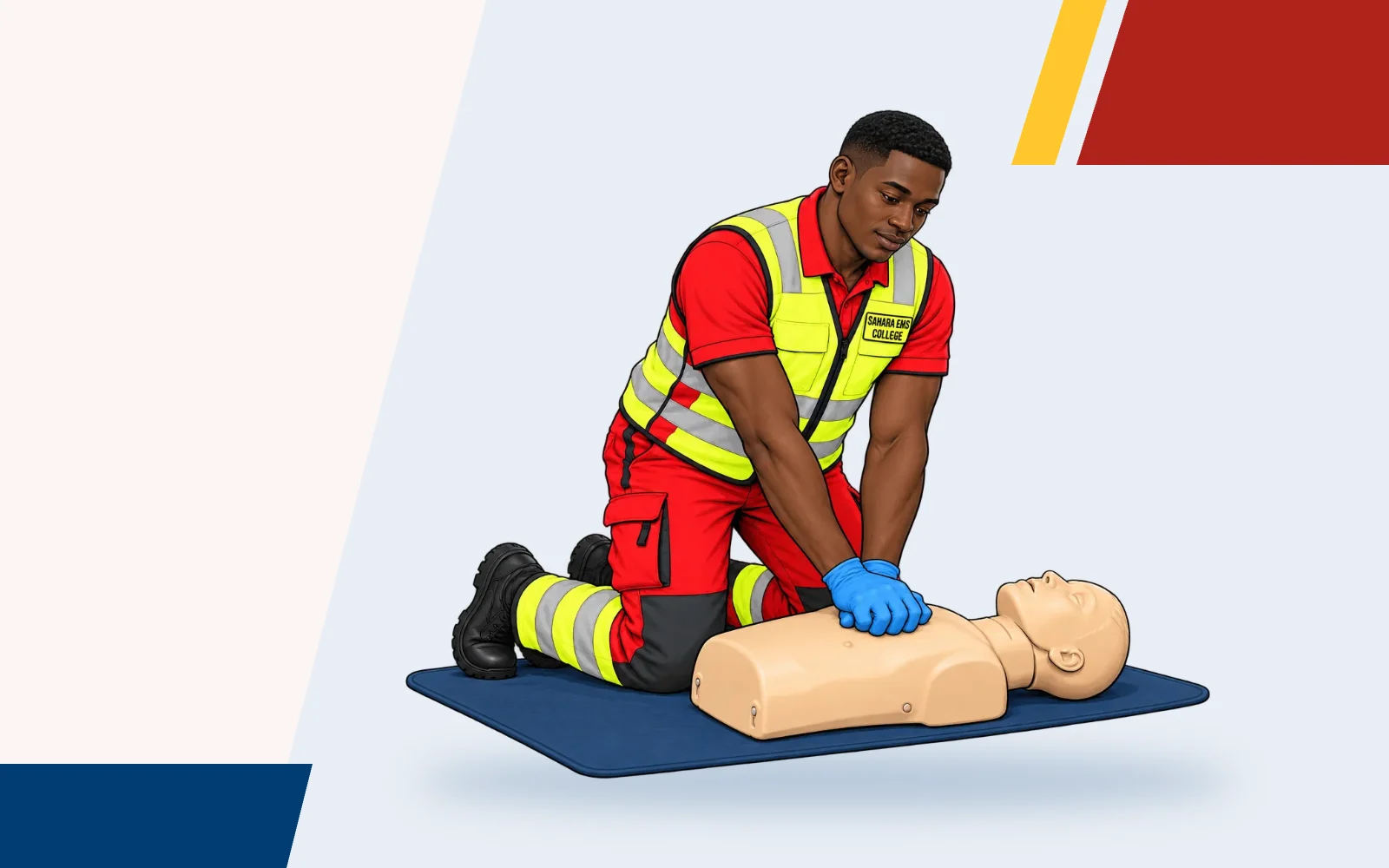
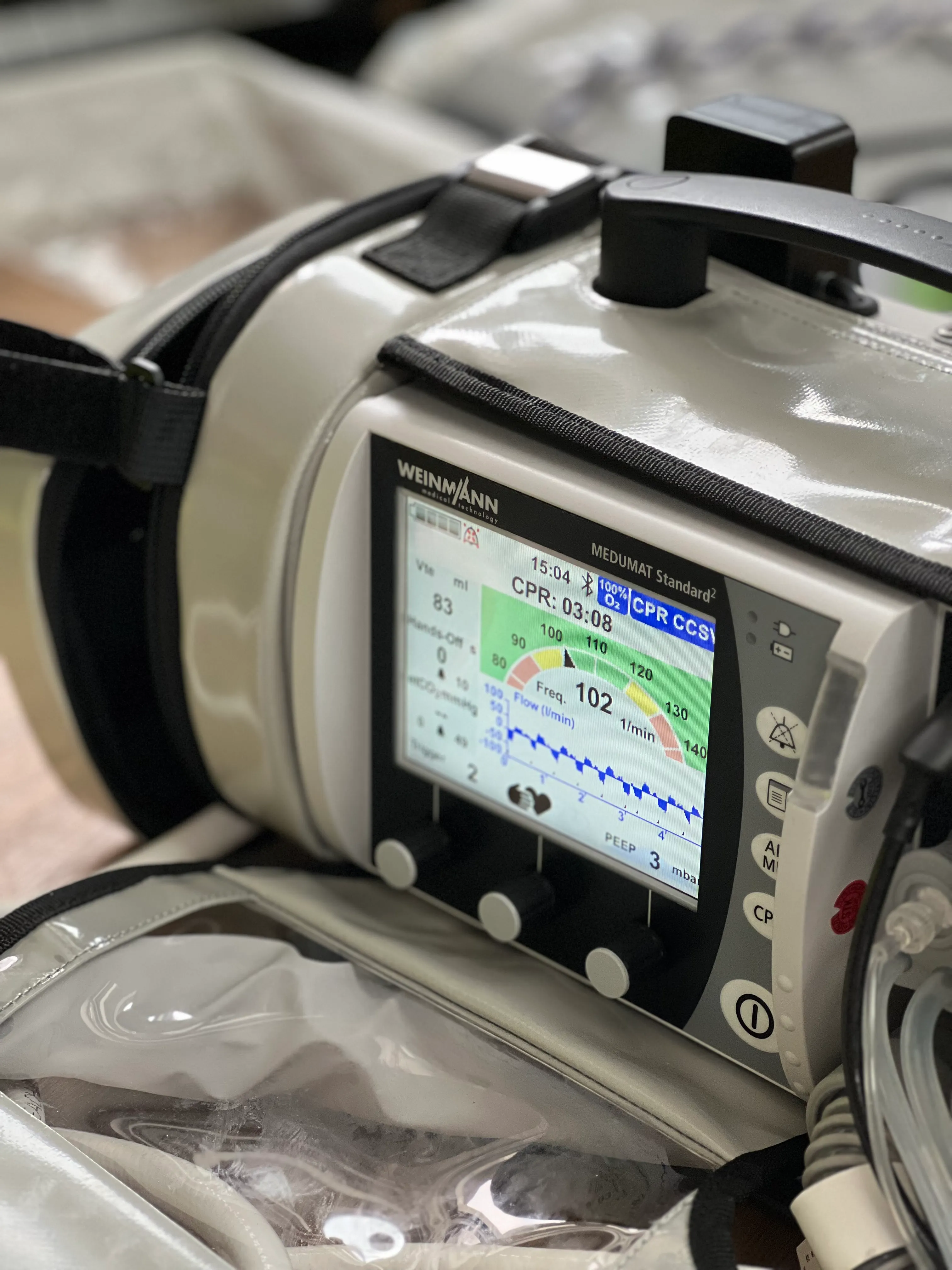
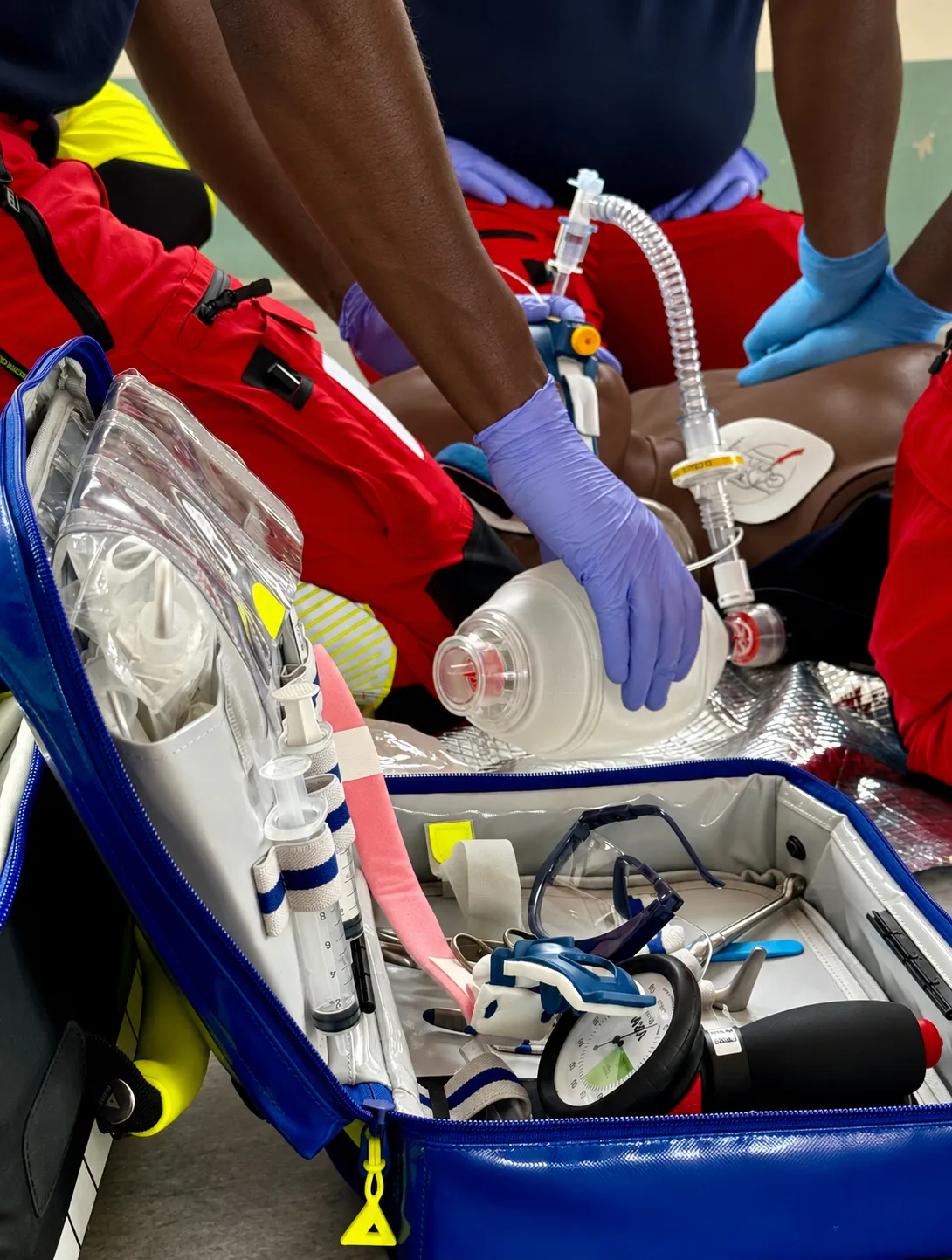
Hyperventilation during CPR is common and harmful. What compression-synchronised ventilation (CCSV) shows — and how ambulances without ventilators can apply the lesson.
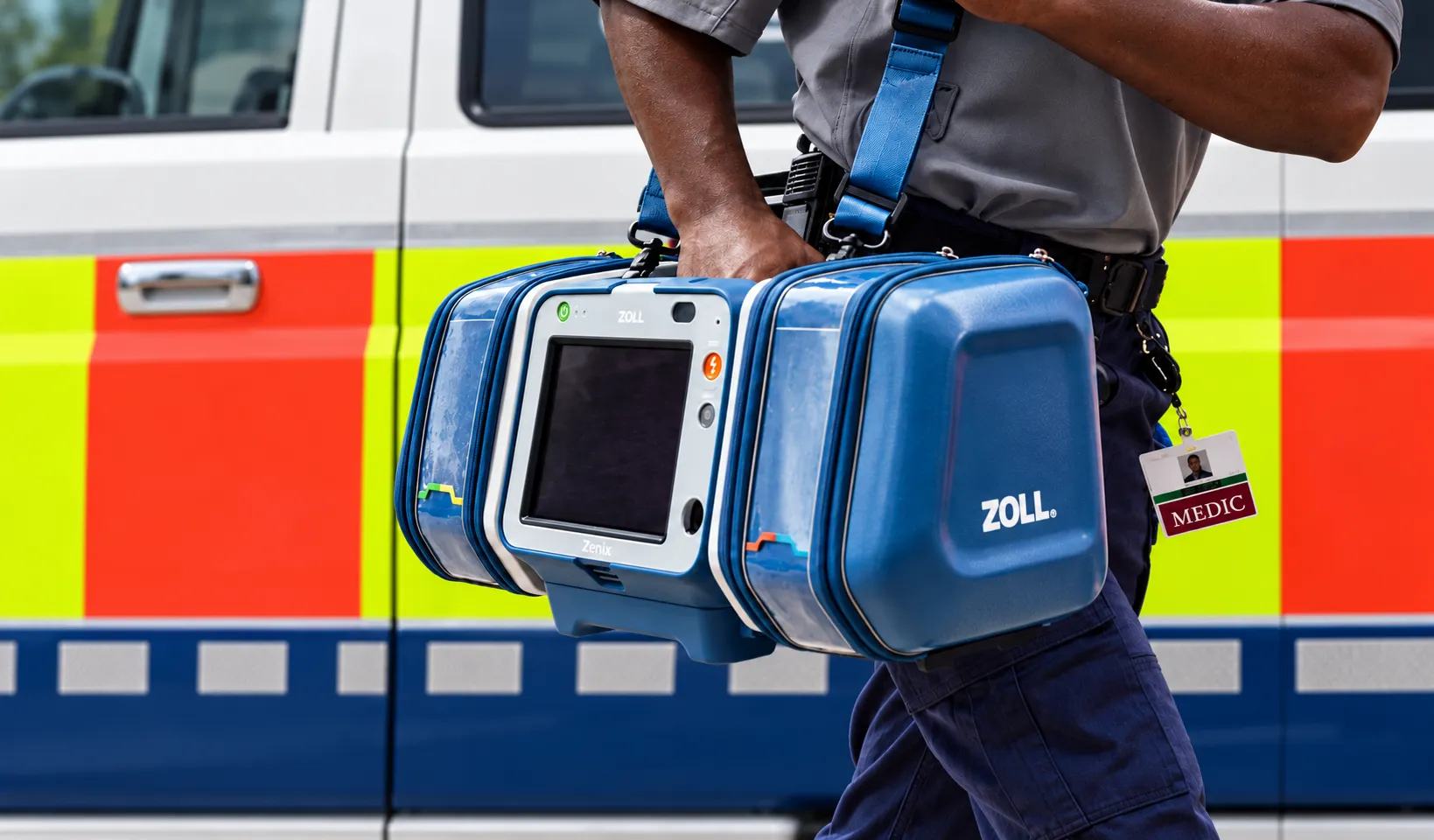
Touchscreens, live CPR and ventilation feedback: what the Zoll Zenix shows about the future of resuscitation — and how Kenyan crews can get feedback without one.
Algorithms save lives where the picture is clear. But many calls in Kenya start without a clear picture. Why clinical reasoning belongs in EMS training.
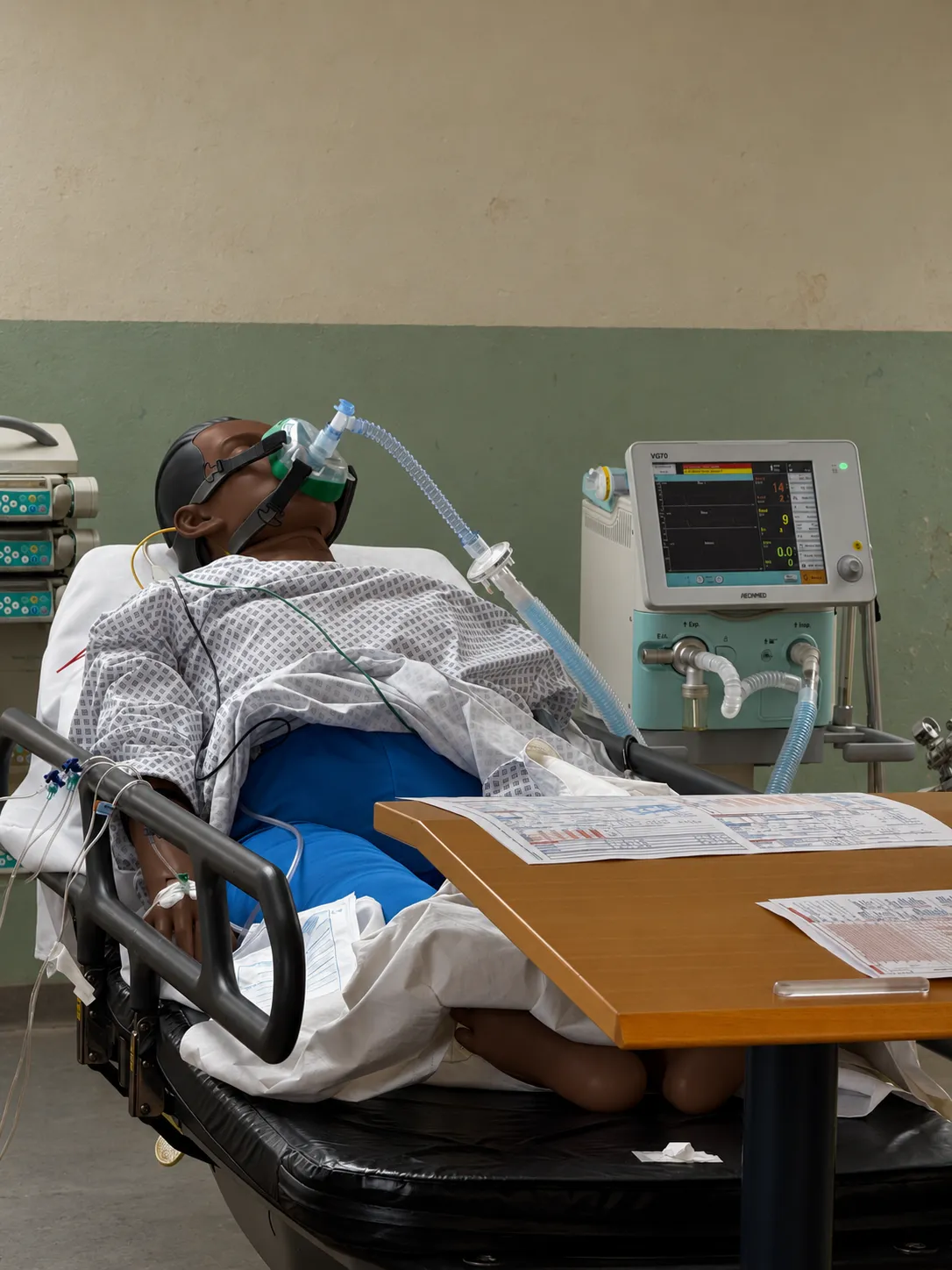
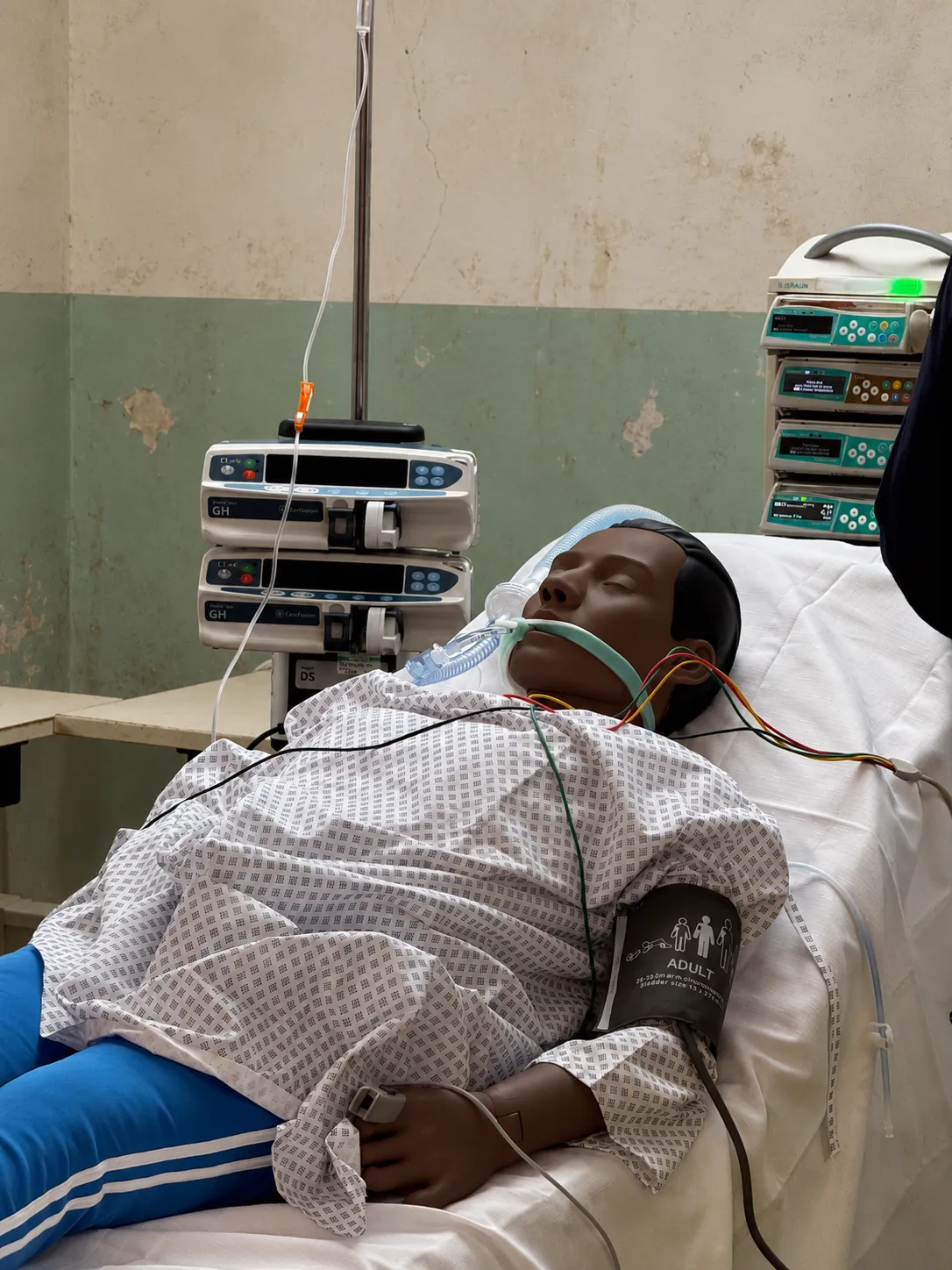
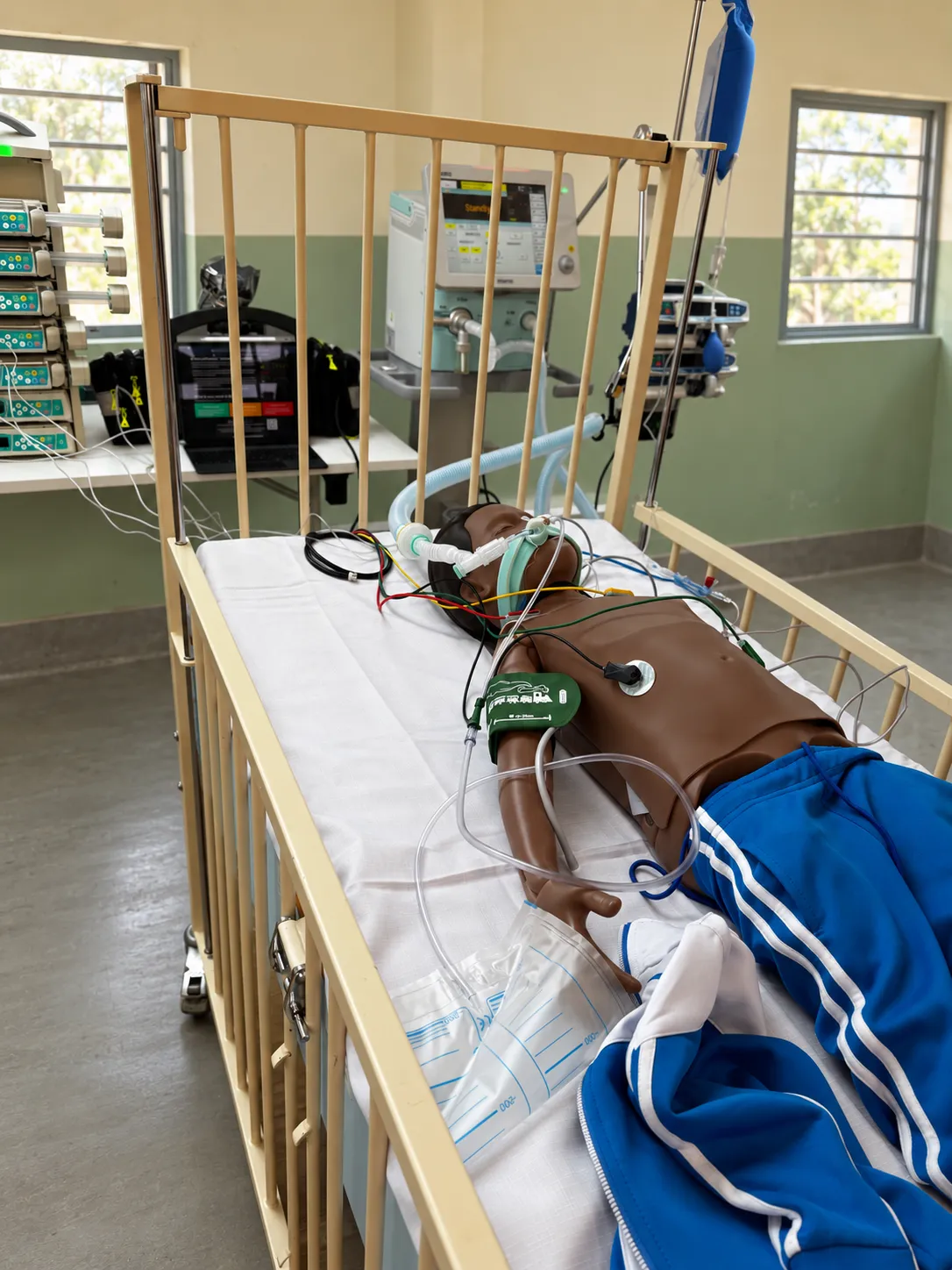
Real patients don’t look like the training manikin. Six dimensions of a modern training room — and why simulation in East Africa does not have to be expensive.
Four days of world-class emergency medicine in Zermatt: five takeaways and what they mean for emergency care in East Africa — plus AfCEM 2026 in Arusha.
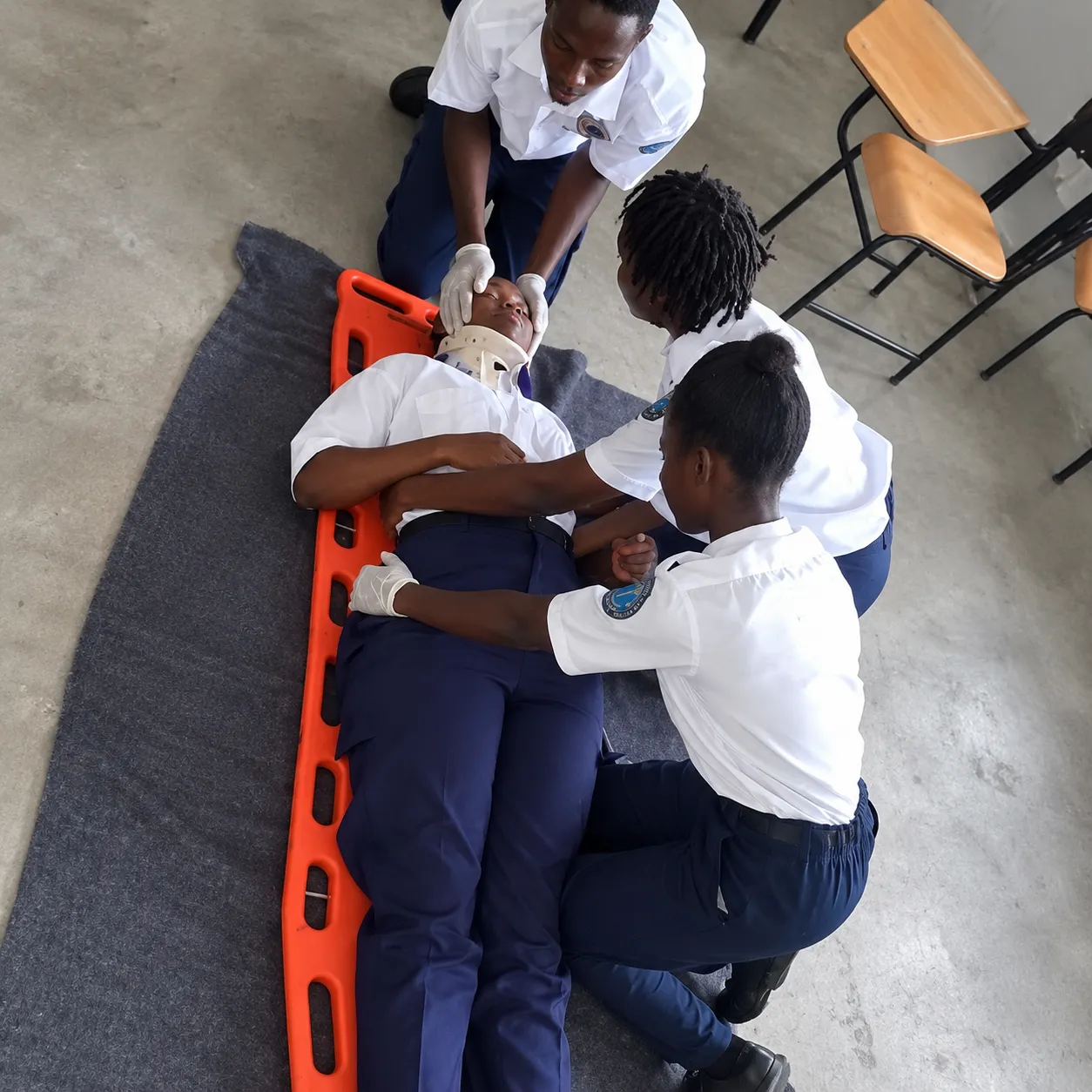
Two new stretchers let EMT teams run transport drills in parallel.
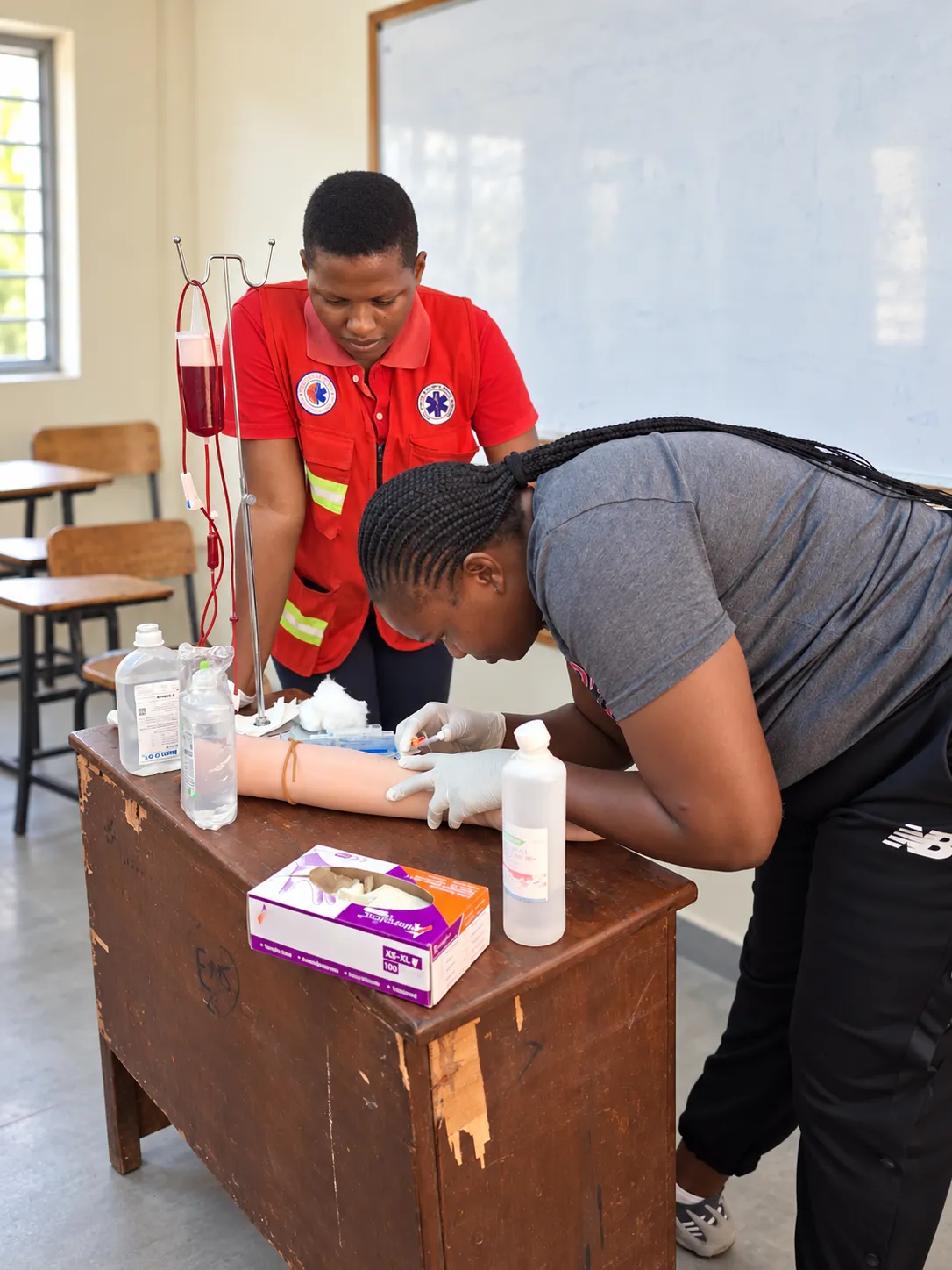
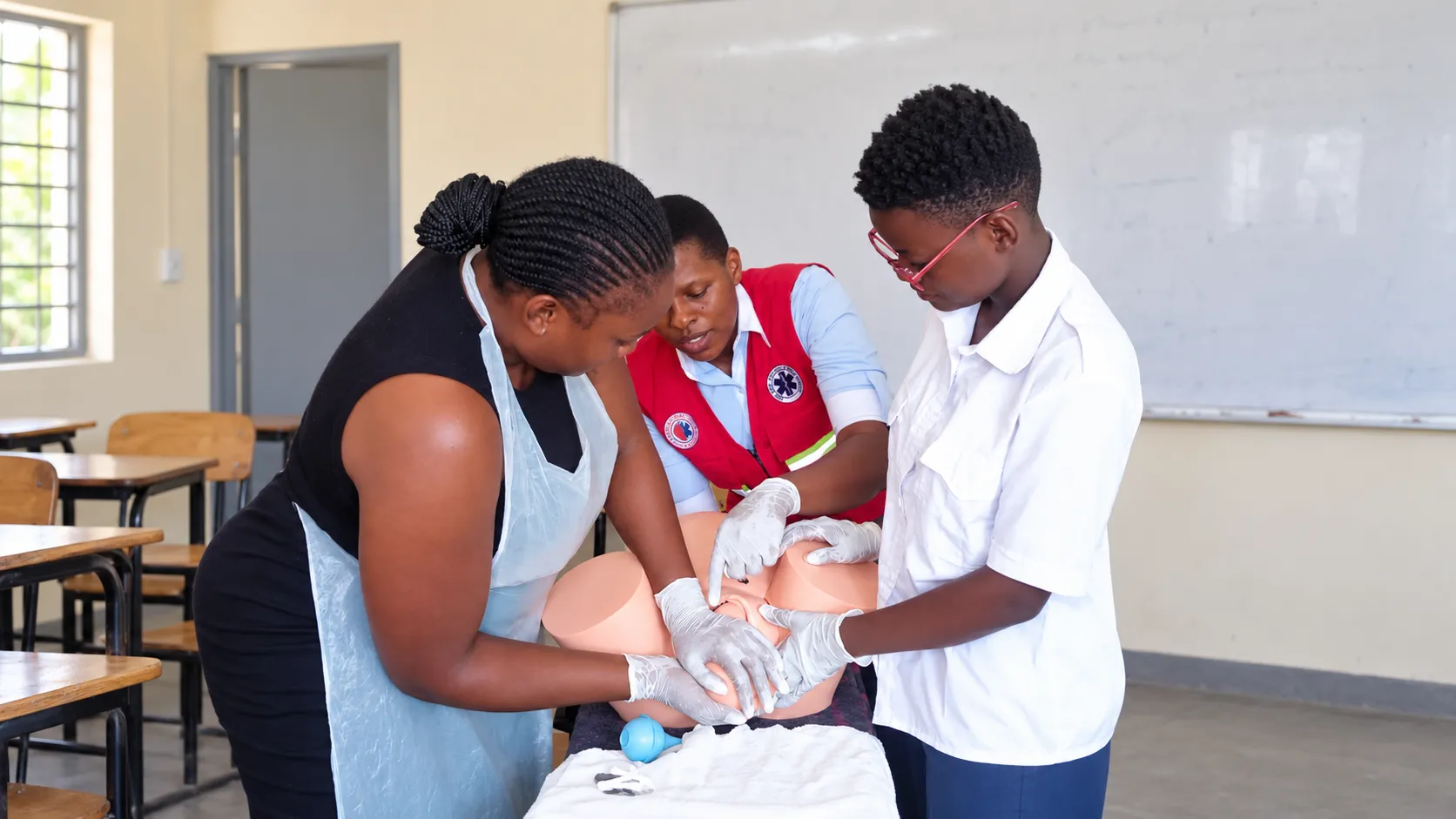
The June cohort moves from the classroom to ambulance and hospital rotations.
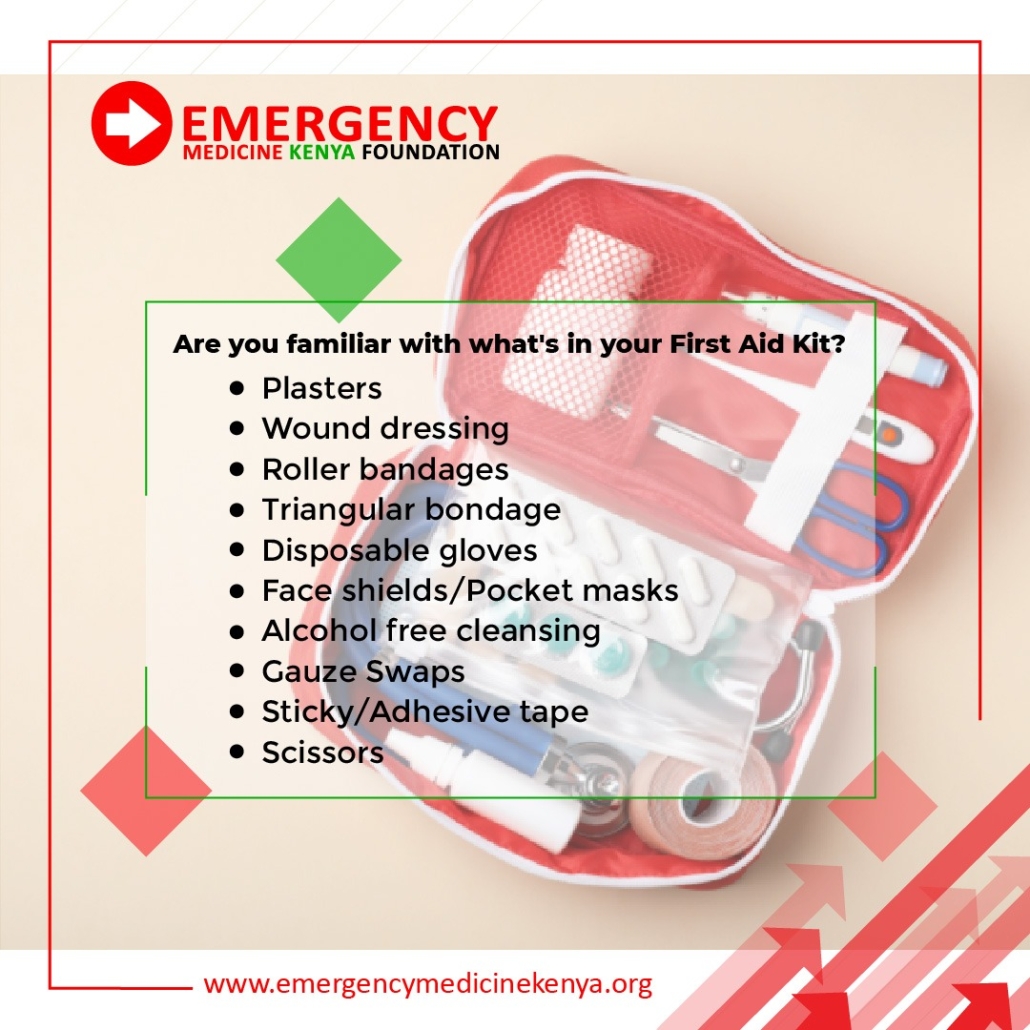
Ten items every first-aid kit should contain — and what each one is for.
Applications close 5 December.